The previous system involved a lot of manual work for managing events, customers, and tickets, which slowed down daily operations for the team.
One important challenge was migrating existing data into the new system. Many customers already had active tickets, so it was essential to keep everything working without interruptions or lost information.
Another challenge was supporting different ways of selling tickets, both online and in person, which required a flexible and easy-to-use system for staff.
There was also a need to improve ticket validation at events, replacing a manual checking process that was prone to errors.
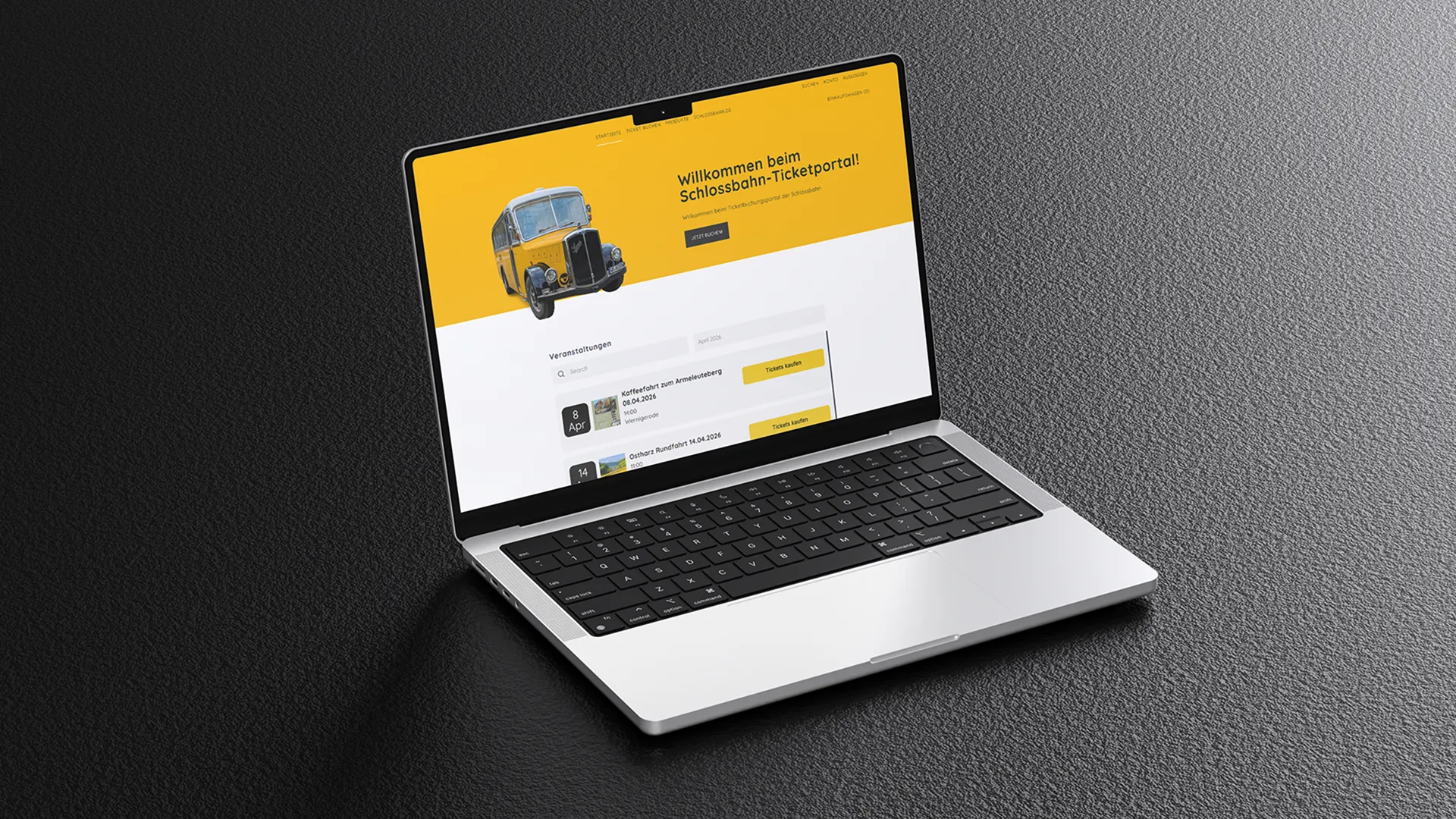
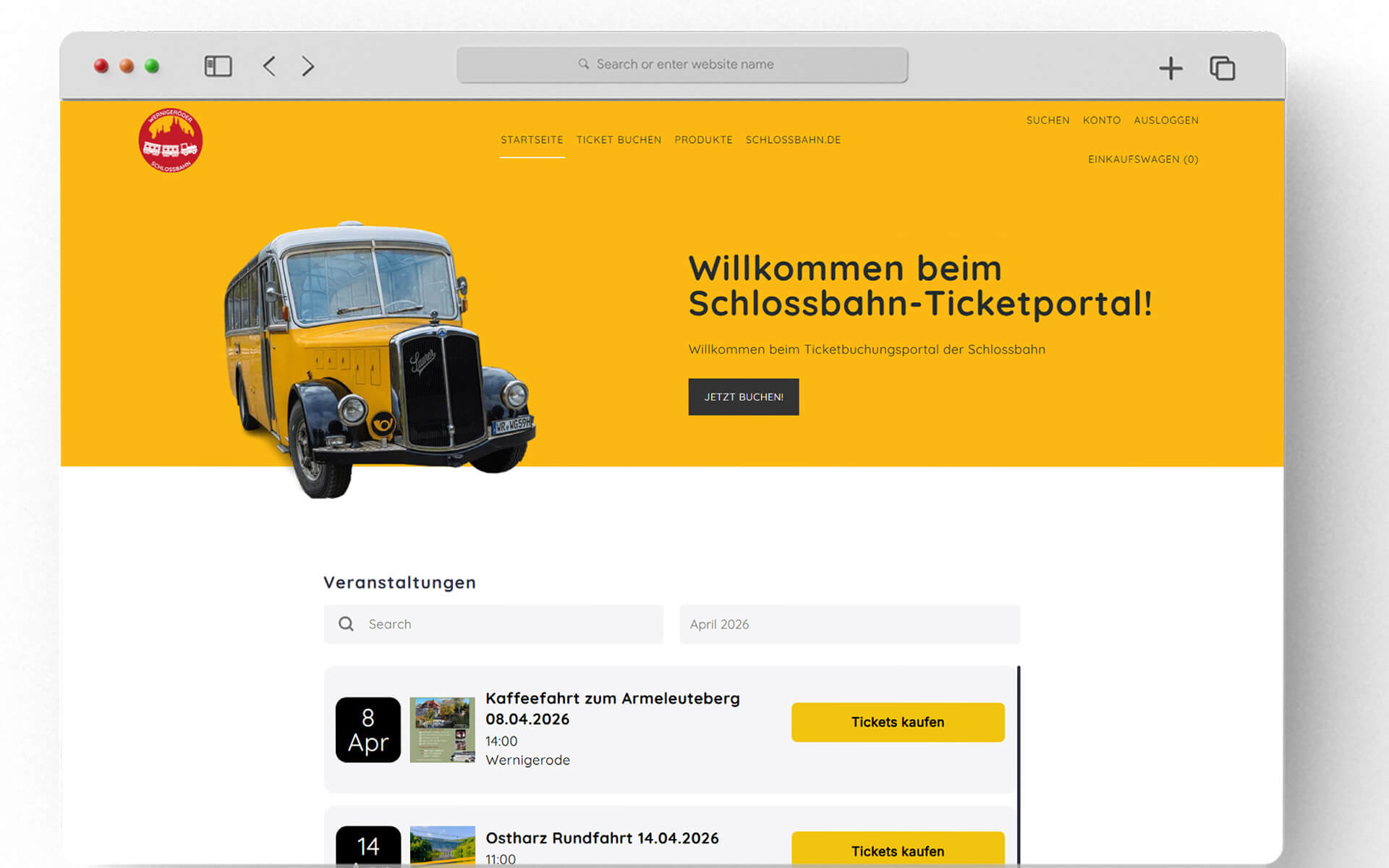
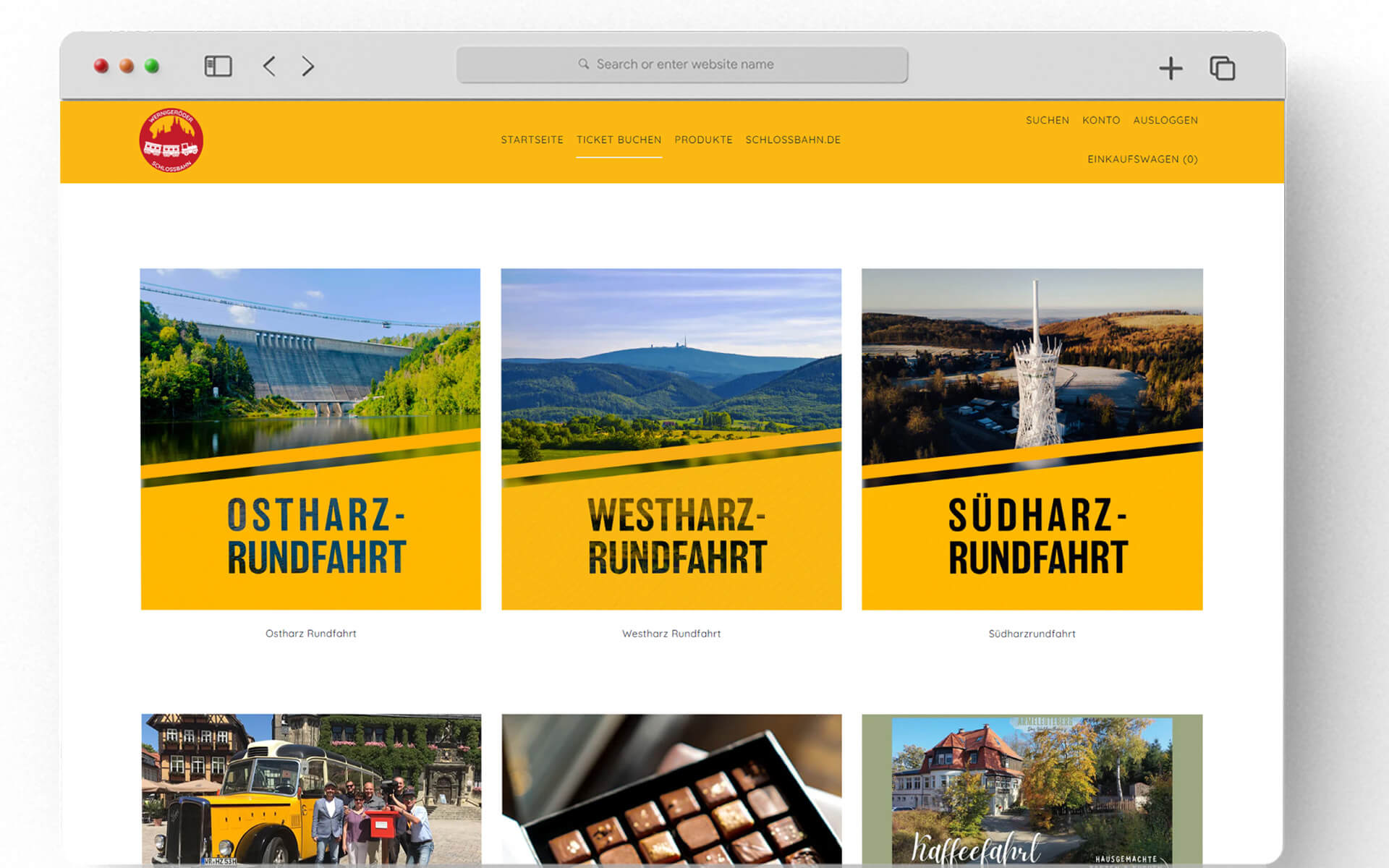
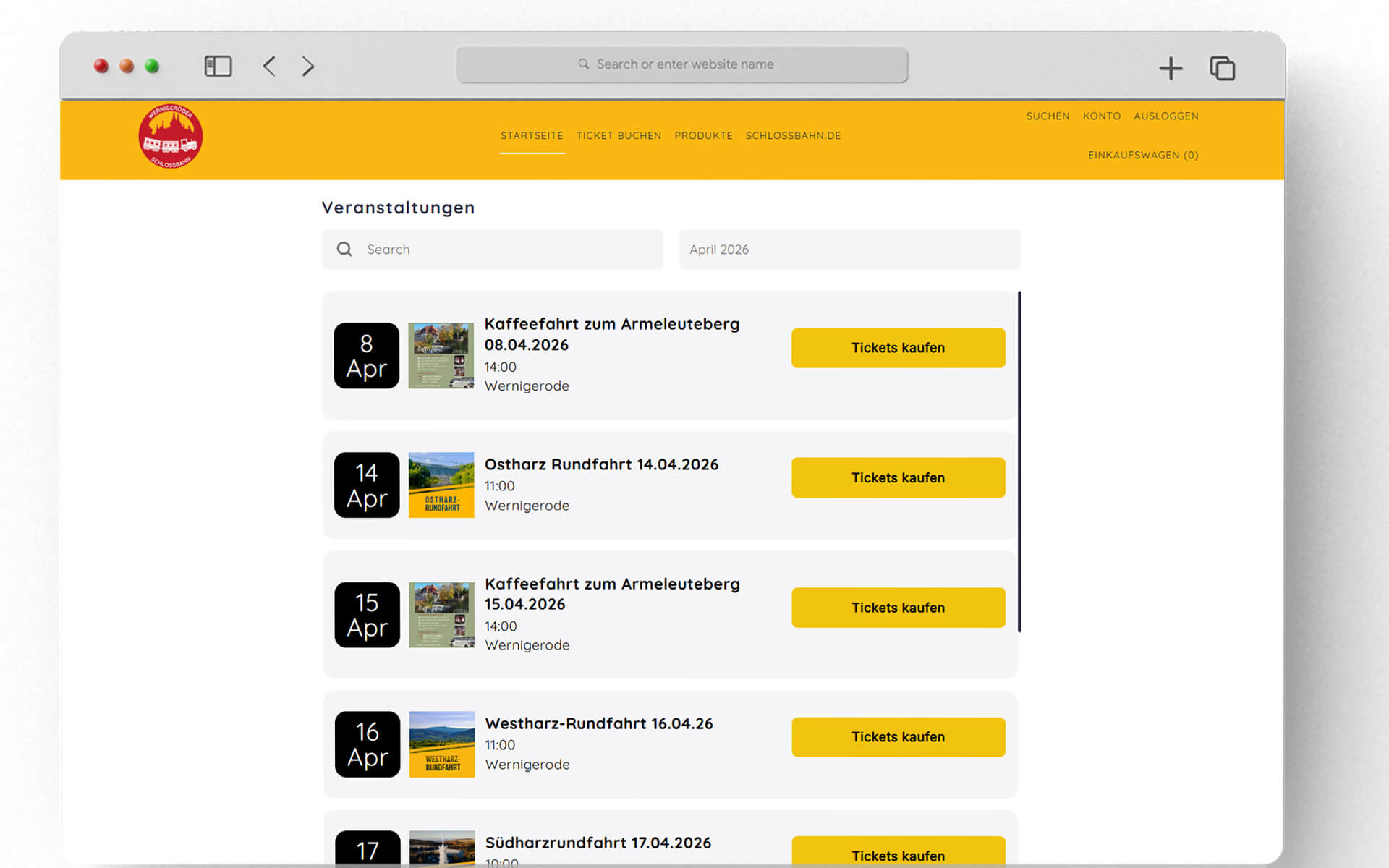
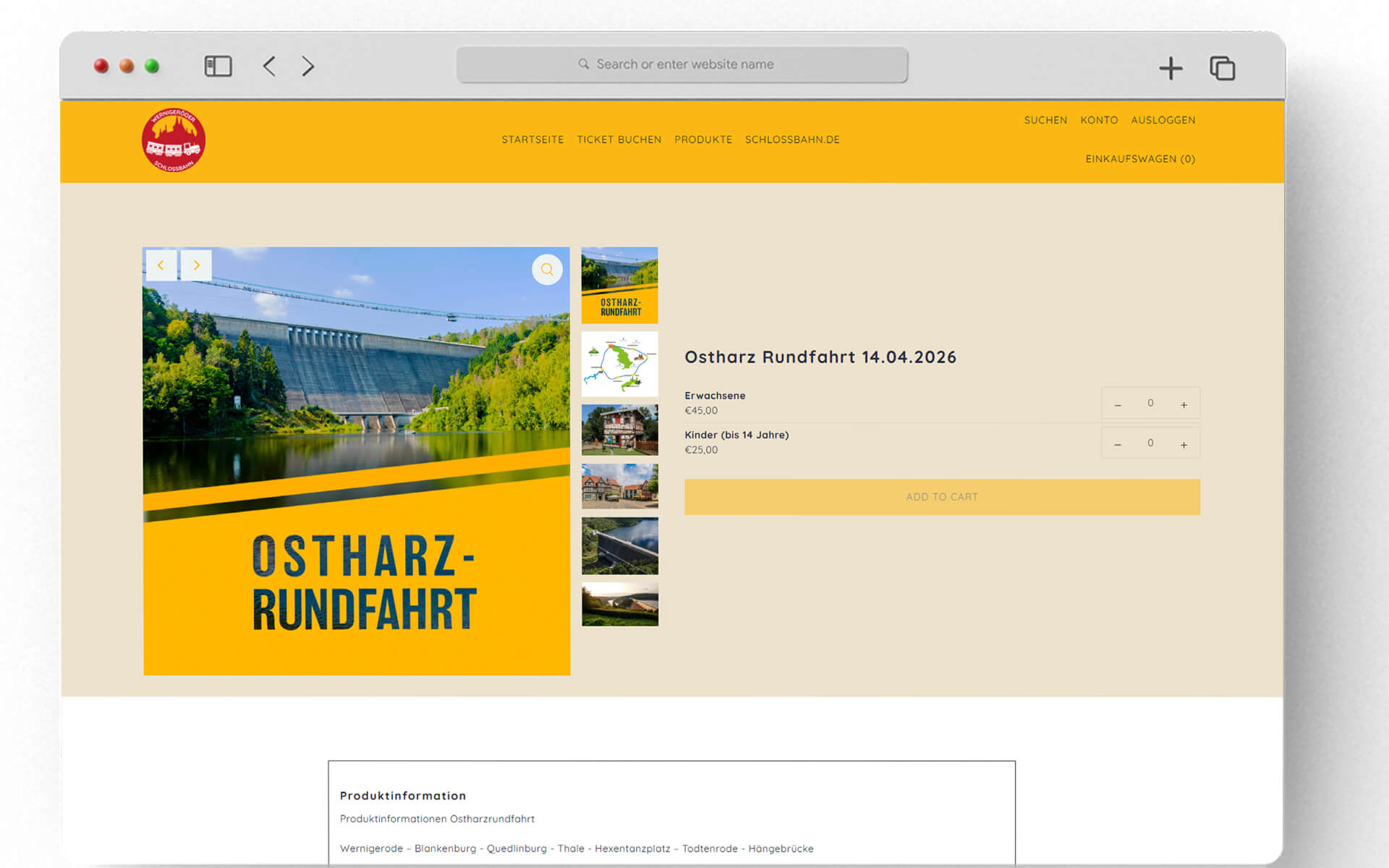
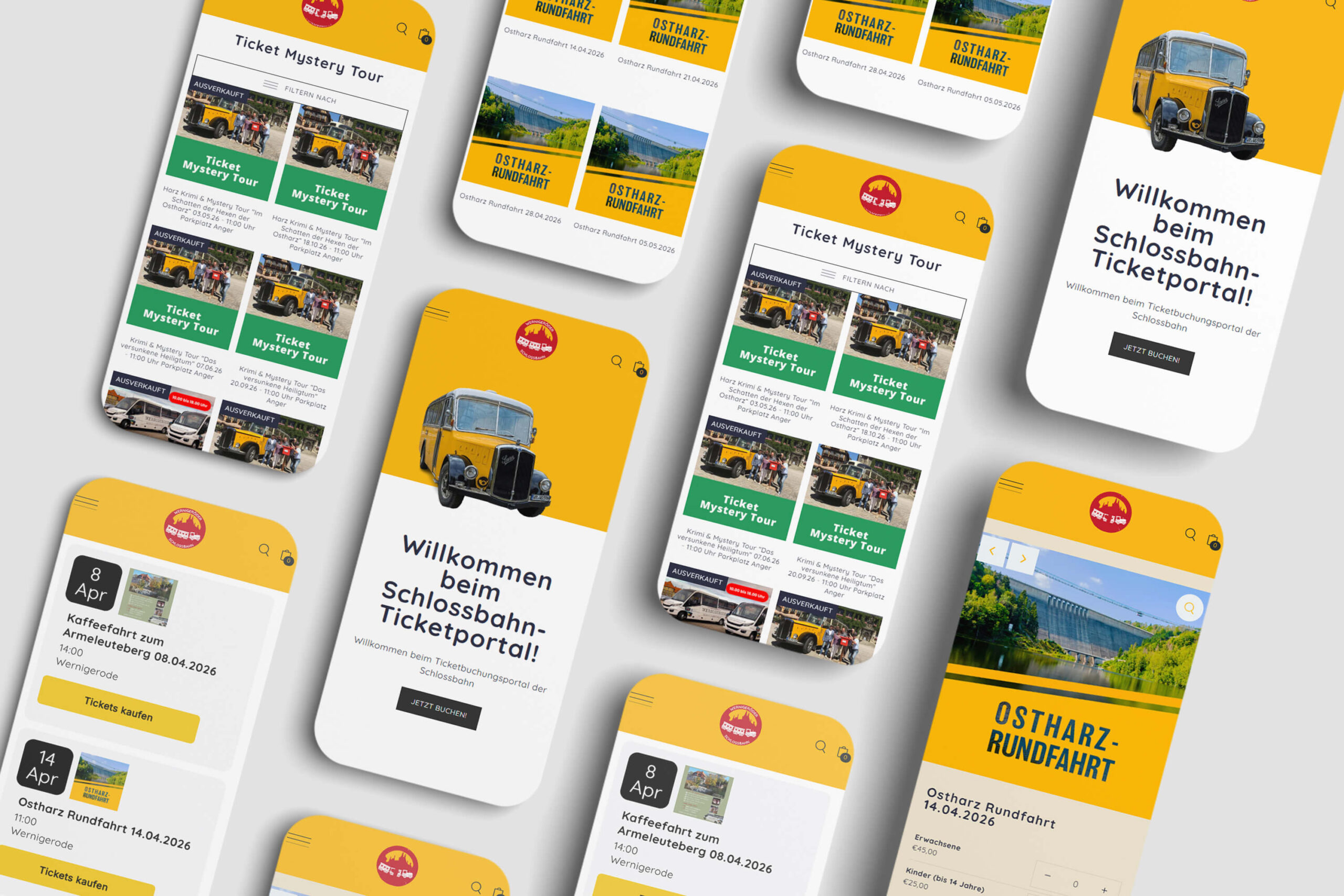
I rebuilt the ticketing system using Shopify and implemented an event-based solution to manage bookings across multiple categories.
To ensure existing bookings were preserved, I migrated customers and orders using structured import processes combined with manual validation, working closely with the team to support a smooth transition.
For in-person sales, I designed a custom workflow to support external partners selling tickets independently, with role-based access and flexible payment options.
At the same time, the system kept ticket data and availability synchronized across all sales channels, reducing errors and preventing double bookings.
To improve reliability during events, I implemented a QR-based ticket scanning system, replacing manual ticket checks with a faster and more accurate process.
Improved system usability for non-technical staff by simplifying ticket creation and streamlining backend workflows.
Simplified ticket purchasing and registration by streamlining the booking process and delivering tickets directly via email.